


News

Official websites use .gov
A .gov website belongs to an official government organization in the United States.

Secure .gov websites use HTTPS
A lock (
) or https:// means you’ve safely connected to the .gov website. Share sensitive information only on official, secure websites.

The GRASP project will assist participants to address declining aquifer levels by providing land management and rental contracts to participants. With assistance from Playa Lakes Joint Venture (PLJV) and other partners, GRASP will help producers with voluntary irrigation conservation and efficiency efforts and playa restoration to increase groundwater recharge. The project is applicable in Wichita and Greeley counties.
FY 2025 Sign-up Deadline: April 18, 2025

Participants can apply for assistance in increase groundwater quantity in Cheyenne County in the South Fork Republican River (SFRR) watershed. This project will target grazing lands by assisting with removal of phreatophytes (specifically Russian olive, Saltcedar, and Eastern Red Cedar species) and can also assist with converting windmills to a solar pump utilizing a float to conserve groundwater.
FY 2025 Sign-up deadline: April 18, 2025

The Southern High Plains Initiative (SHPI) RCPP project is a collaborative effort to help implement the Great Plains Grasslands Biome Framework, by defending and expanding grassland cores. The Nature Conservancy (TNC) is the lead partner on the project, who has been collaborating with numerous conservation and producer-led groups to develop the SHPI. This effort is part of a multi-state project. TNC has identified 33 counties in the west-central portion of Kansas that will be eligible for the program. High priority will be given to those applications with property located in Logan, Gove, Scott, Clark, Comanche, Kiowa, and Barber County, Kansas, and Woods County, Oklahoma. Landowners & operators may sign up at the local field office to implement practices to preserve the Southern High Plains – including prescribed grazing, brush management, and other practices to improve and restore grasslands.
FY 2025 Entity-Held Easement application deadline is October 25, 2024. There will not be a FY 2025 land management/rental sign-up

The Milford Watershed RCPP is a collaborative effort to improve water quality in Milford Lake and upstream. The focus of the program is on the Kansas portion of the watershed within the Lower Republican Basin in Clay, Cloud, Geary, Dickinson, Jewell, Mitchell, Republic, Riley, and Washington Counties. The project serves as one of the largest efforts undertaken within the Milford Lake Watershed to bring partners together in order to implement conservation practices. The Kansas Water Office is the lead partner, and numerous regional entities are contributing to the project. Landowners & operators may sign-up at their local field office to implement practices to improve the quality of water in the lake, including management practices such as No-Till, Cover Crops, Nutrient Management, and Prescribed Grazing. Funds are also available to remove cattle from water bodies and provide alternative water sources, as well as erosion-reducing systems such as terraces and waterways.
FY 2025 application deadline is November 1, 2024
Contact your local service center to start your application.
Do you farm or ranch and want to make improvements to the land that you own or lease?
Natural Resources Conservation Service offers technical and financial assistance to help farmers, ranchers and forest landowners.
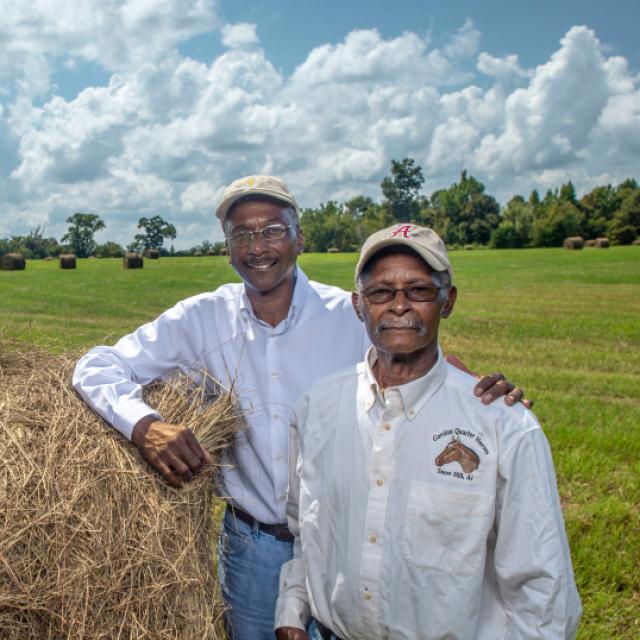
To get started with NRCS, we recommend you stop by your local NRCS field office. We’ll discuss your vision for your land.
NRCS provides landowners with free technical assistance, or advice, for their land. Common technical assistance includes: resource assessment, practice design and resource monitoring. Your conservation planner will help you determine if financial assistance is right for you.
We’ll walk you through the application process. To get started on applying for financial assistance, we’ll work with you:
Once complete, we’ll work with you on the application, or CPA 1200.
Applications for most programs are accepted on a continuous basis, but they’re considered for funding in different ranking periods. Be sure to ask your local NRCS district conservationist about the deadline for the ranking period to ensure you turn in your application in time.
As part of the application process, we’ll check to see if you are eligible. To do this, you’ll need to bring:
If you don’t have a farm number, you can get one from USDA’s Farm Service Agency. Typically, the local FSA office is located in the same building as the local NRCS office. You only need a farm number if you’re interested in financial assistance.
NRCS will take a look at the applications and rank them according to local resource concerns, the amount of conservation benefits the work will provide and the needs of applicants. View Application Ranking Dates by State.
If you’re selected, you can choose whether to sign the contract for the work to be done.
Once you sign the contract, you’ll be provided standards and specifications for completing the practice or practices, and then you will have a specified amount of time to implement. Once the work is implemented and inspected, you’ll be paid the rate of compensation for the work if it meets NRCS standards and specifications.

